

Buying Guide: Practical, Real-World Guidance for U.S. Consumers
Microwaves are one of those kitchen appliances that feel deceptively simple. Compared to ovens, dishwashers, or refrigerators, the feature list is short—and in many cases, the real-world performance differences between models aren’t dramatic. They also tend to be reliable. Once you buy one, it’s not unusual to keep using it for five, even ten years.
That’s why many people start their search with a simple thought:
“Isn’t it fine to just buy the cheapest one that looks decent?”
Half of the time, that’s actually true.
But if you want a microwave that feels genuinely convenient—not just acceptable—it helps to look beyond price and design. A few practical factors make a real difference: output wattage, interior size (not just capacity), turntable vs. flatbed design, kitchen layout, and how the controls actually work day to day.
In the U.S., options range widely—from budget models around $50 to premium units well over $300 at Amazon, Best Buy, or Walmart. But a higher price doesn’t mean your food gets heated “three times better.” Microwaves operate on a relatively simple principle, which also makes them an easy target for exaggerated marketing claims.
This guide isn’t about pushing specific brands or “top picks.”
It’s a practical buying guide for U.S. consumers who want to understand what actually matters—so you can choose based on your real habits and avoid regret after the return window closes.

Step 1) Start With Your Kitchen Layout: Countertop vs. Over-the-Range (OTR)
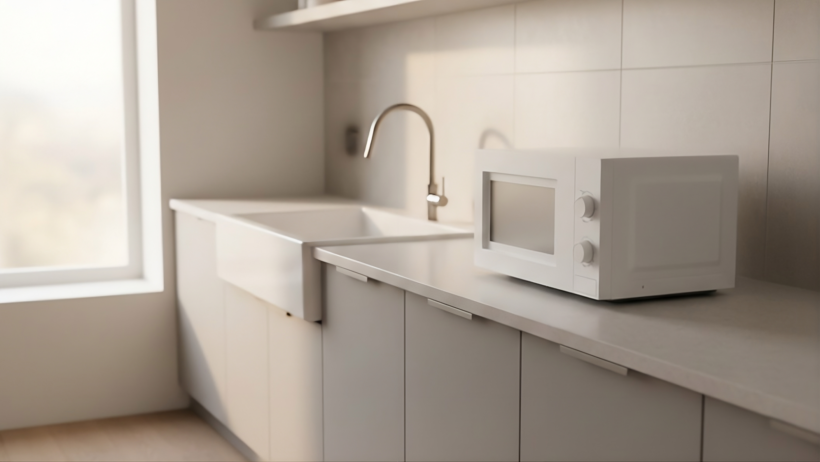
Before comparing wattage or features, it’s worth answering one basic question: Where will this microwave actually live? In U.S. kitchens, microwaves usually fall into two categories:Countertop Microwaves
- The most common and flexible option
- Easy to install and replace
- Wide range of sizes and prices
- Ideal for renters, apartments, and frequent upgrades
Over-the-Range (OTR) Microwaves
- Installed above the stove, replacing a range hood
- Save counter space
- Must match cabinet width and venting setup
- More expensive and harder to replace
Step 2) How Microwaves Actually Work
Why Some Spots Get Hot While Others Stay Cold
Heating by Vibrating Moisture—not by “Cooking From the Outside”
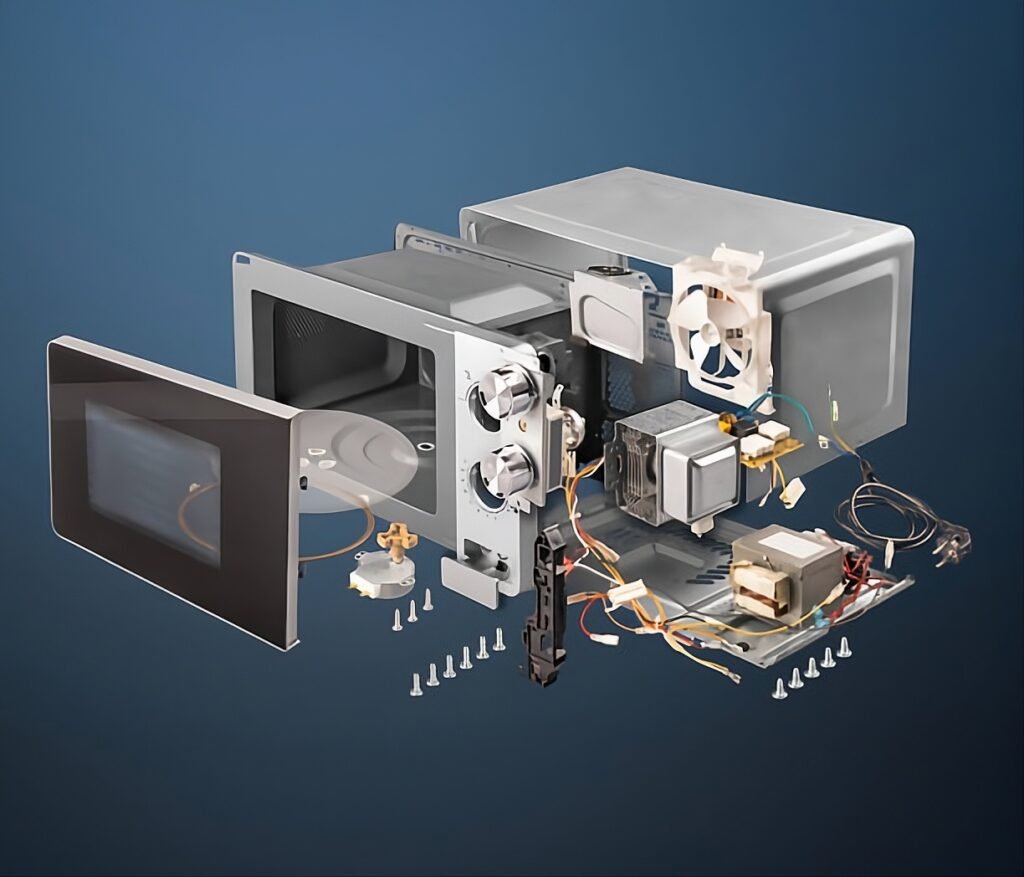
A microwave generates electromagnetic waves that pass through many materials but are absorbed by water molecules. When those molecules vibrate, friction generates heat. That’s the core mechanism behind microwave heating. This explains several common characteristics:- Metal containers shouldn’t be used (they reflect microwaves and can cause sparks).
- Foods with very little moisture heat poorly or unevenly.
- Heating depends more on moisture distribution than surface contact.
Fast and Efficient—but Not Built for Browning
Microwaves don’t heat surrounding air like ovens. They act directly on moisture inside the food, which is why they’re fast and energy-efficient. Most heating stays at or below 212°F (100°C). They excel at:- Reheating leftovers
- Heating frozen meals
- Instant rice, soups, and TV dinners
- Simple steamed or custard-style dishes
- Crispy exteriors
- Searing or browning
- Grill marks or flame-style flavor
Why Uneven Heating Is So Common
Microwaves only penetrate food to a limited depth—roughly 0.8–1.2 inches (2–3 cm) effectively, and at most about 2–2.4 inches (5–6 cm). Beyond that, heat must spread inward naturally. This leads to:- Small items heating at the center
- Large dishes heating at the edges
- Thicker foods showing bigger temperature gaps
Practical Ways to Reduce Uneven Heating
- Cut large portions into smaller pieces
- Stir or rotate food midway
- Avoid spreading food too thinly on oversized plates
Turntables Help—but They Aren’t Magic
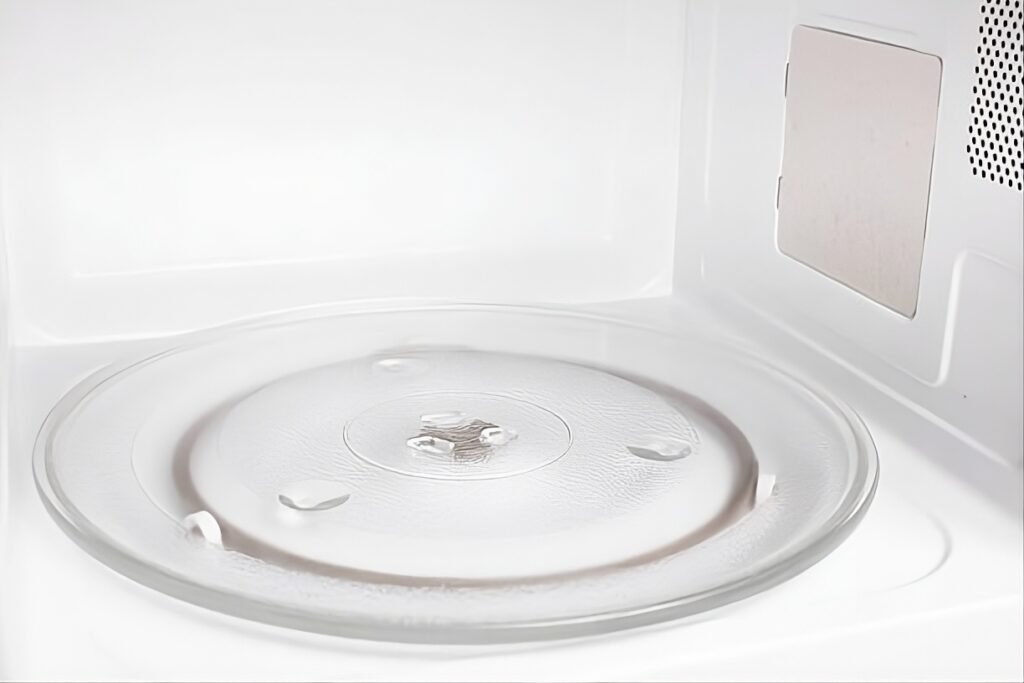
Turntables reduce hot spots by changing position, but they don’t change penetration depth. Still, many users report more consistent results with turntable models for everyday reheating.Salt and Thawing State Matter
- Salty soups heat faster due to ion absorption
- Partially thawed frozen foods heat unevenly
Is Microwave Radiation Dangerous?
Consumer microwaves sold in the U.S. meet strict safety standards. Under normal use, risks are minimal. If the door seals properly and the unit isn’t damaged, there’s little cause for concern.
Step 3) Wattage: The Speed Factor Most People Underestimate
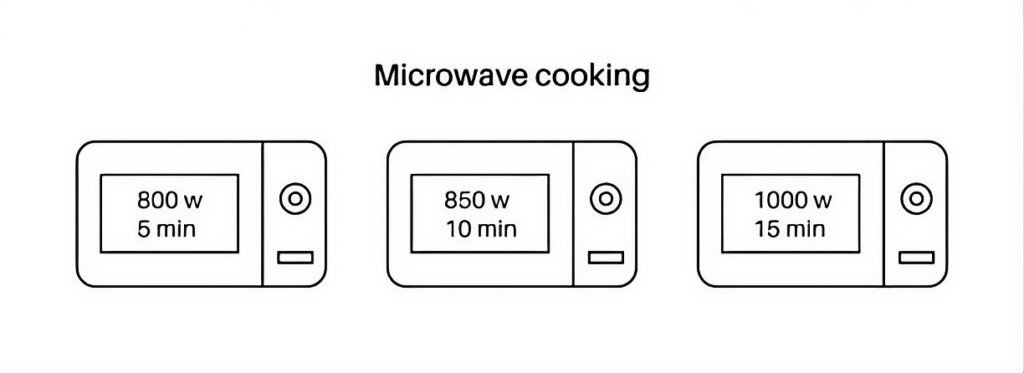
Output Wattage Matters More Than Power Consumption
Ignore input power. Output wattage determines how fast food heats. Typical U.S. ranges:- ~700W: compact or budget models
- 900–1000W: mainstream standard
- 1100W+: larger or premium units
A U.S.-Specific Reality Check
Many American frozen meals are tested and labeled based on ~1100W microwaves. If you use a 700–900W unit, cook times may increase by 30–50%.Marketing vs. Reality
Inverter tech, sensor cooking, and branded heating modes can help—but across reviews, higher wattage consistently reduces heating time. Common observations:- 1000W heats ~20–30% faster than 700W
- Defrosting improves noticeably
- Taste differences are minimal; speed is the benefit

Practical Takeaway
- 700–900W: fine for reheating and light use
- 1000W+: better for frequent use or busy households
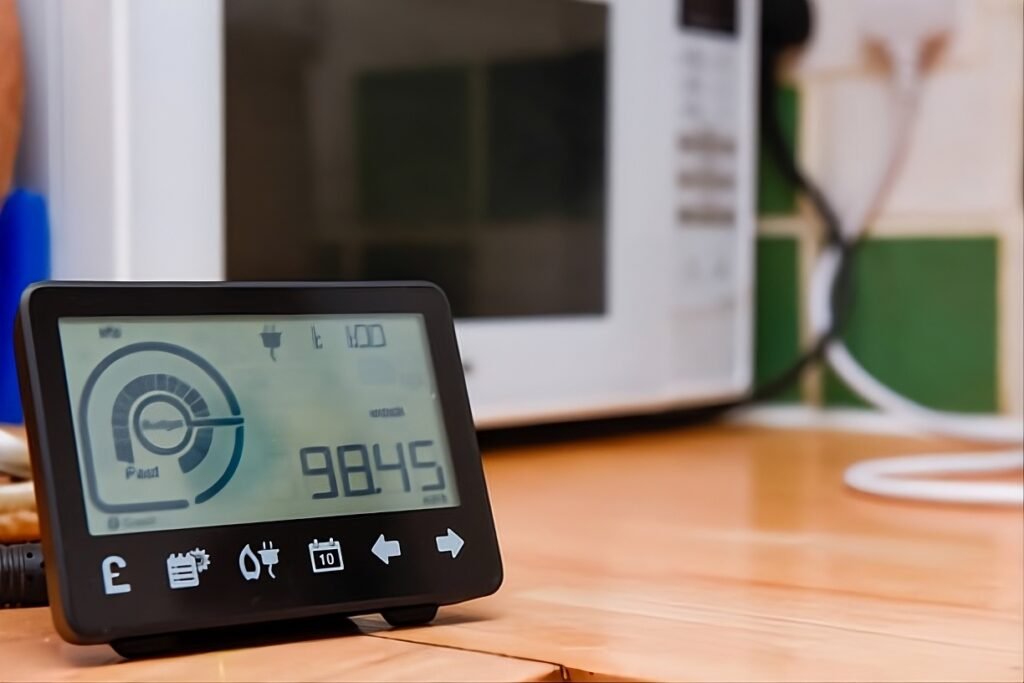
Electricity cost differences are negligible. This is a convenience decision.
Step 4) Turntable vs. Flatbed: Consistency vs. Flexibility
Flatbed Microwaves
Pros:- Full usable floor space
- Better for rectangular trays and large containers
- More reports of uneven heating
- Longer defrost times in some cases
Turntable Microwaves
Pros:- More consistent heating
- Fewer hot-spot complaints
- Limits container shape
Step 5) Capacity vs. Interior Dimensions: Inches Matter More Than cu ft
Capacity categories:
- <0.7 cu ft: compact
- 0.7–0.9 cu ft: medium
- 1.0+ cu ft: large
But interior width and depth matter more than volume.
Rule of thumb:
- Allow 1.2–2 inches clearance beyond plate diameter
- 11–12″ interior width works for most homes
- 12″+ helps with pizza and large trays
Flatbeds often fit larger rectangular containers within the same footprint.
Step 6) Controls, Noise & Daily Usability
Must-Have Features for U.S. Homes
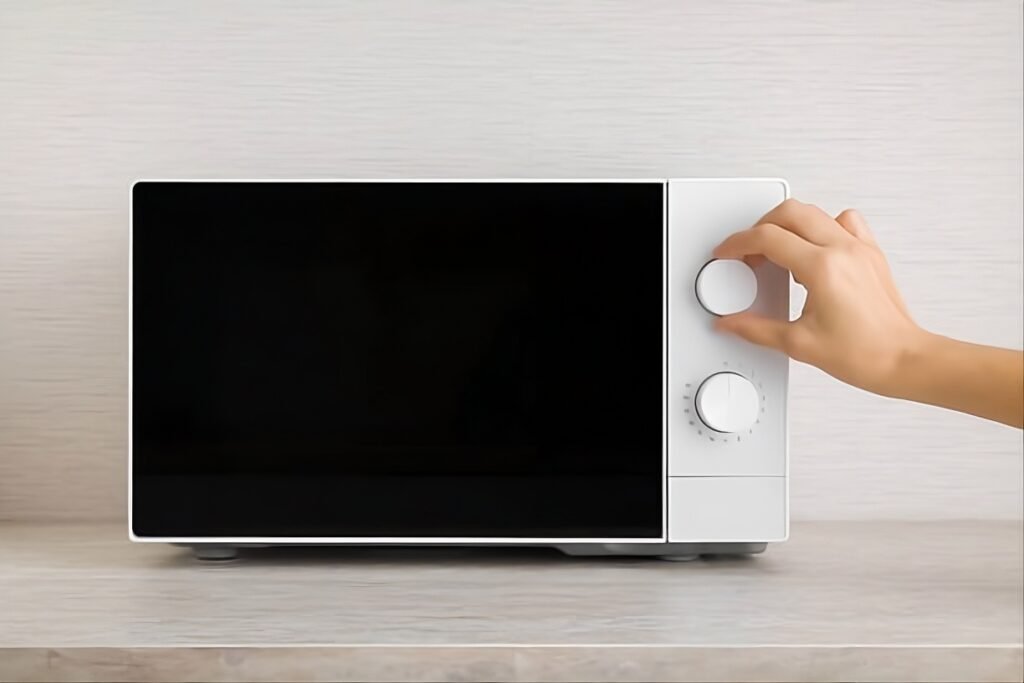
- +30 Seconds Quick Start
- Sensor Cooking (adapts time automatically)
- Inverter Technology (smoother power control)
- Mute / Sound-Off Option (often overlooked, highly valued) Kitchen noise matters more than specs suggest—especially in open layouts.
Step 7) Durability, Finish & Long-Term Ownership
Practical Finish Choices
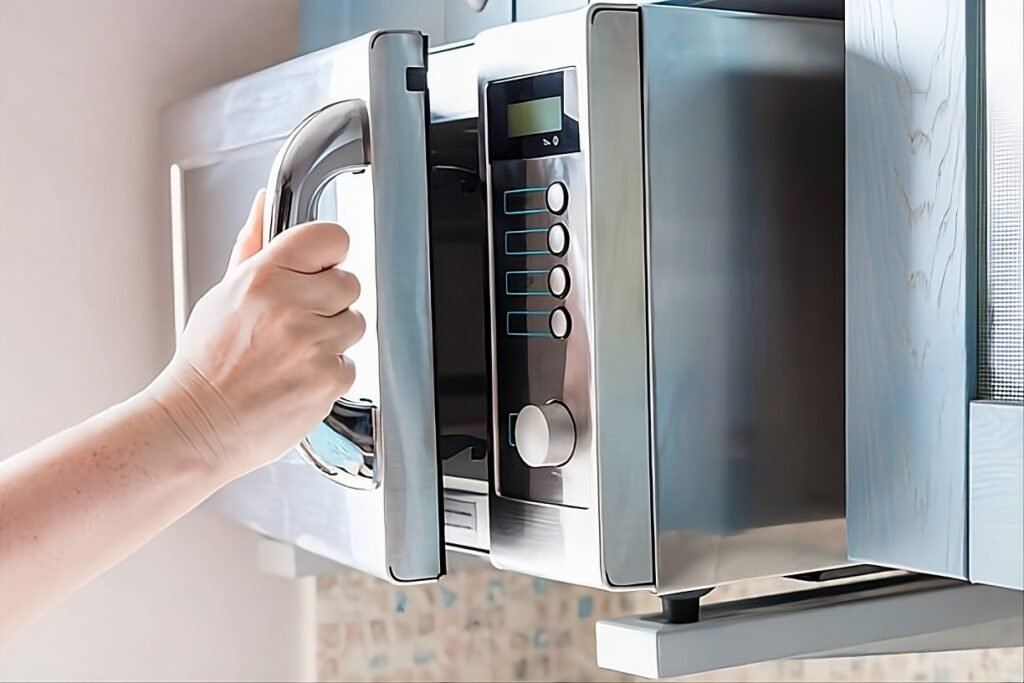
- Fingerprint-resistant stainless steel stays cleaner in daily use
- Matte finishes often age better than glossy ones
Brand Service Reality in the U.S.
Better parts availability and service access:- LG
- Samsung
- GE / GE Profile
- KitchenAid

Step 8) What to Look for in Reviews
Focus on repeated complaints:
- “Plate won’t spin”
- “Uneven heating”
- “Buttons failing”
- “Too loud”
Patterns matter more than star averages.

Final Takeaway
Microwaves aren’t complex machines competing on cutting-edge tech. Ignore flashy names and focus on fundamentals:
- Wattage that fits your usage
- Interior size that fits your plates
- Layout compatibility
- Quiet, simple controls
- Easy cleaning and service access
The best microwave is the one you stop thinking about once it’s installed.